


Introduction to Stainless Steel Interiors
In modern public transport systems, Stainless steel interiors have become the benchmark for durability, hygiene, and aesthetics. Whether it’s metro coaches, railway compartments, or city buses, the demand for stainless steel-based interior solutions is growing rapidly in urban hubs like Chennai, India. As cities evolve and expand, so does the need for robust, low-maintenance, and passenger-friendly interior systems—making stainless steel the material of choice.
What Are Stainless Steel Interiors?
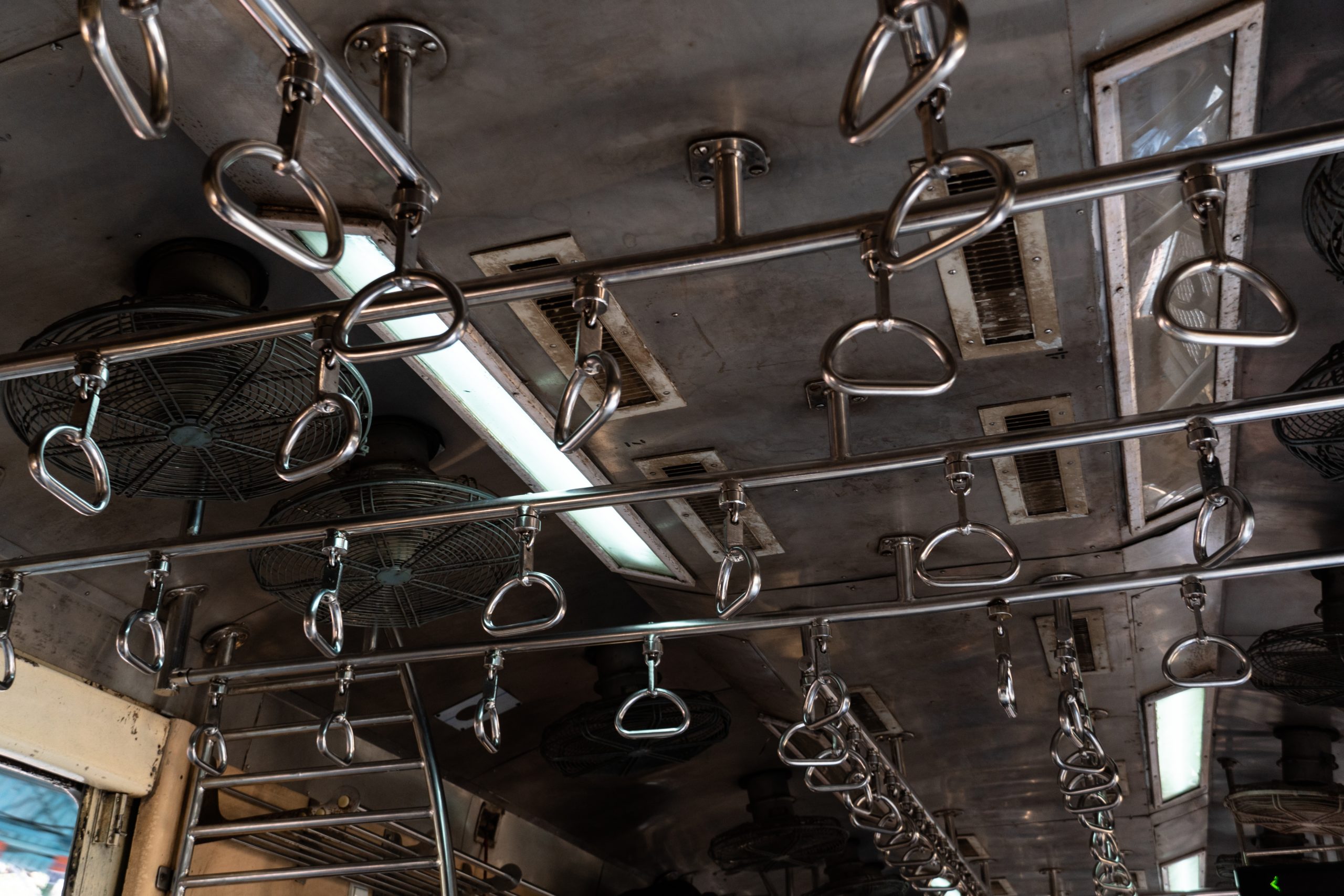
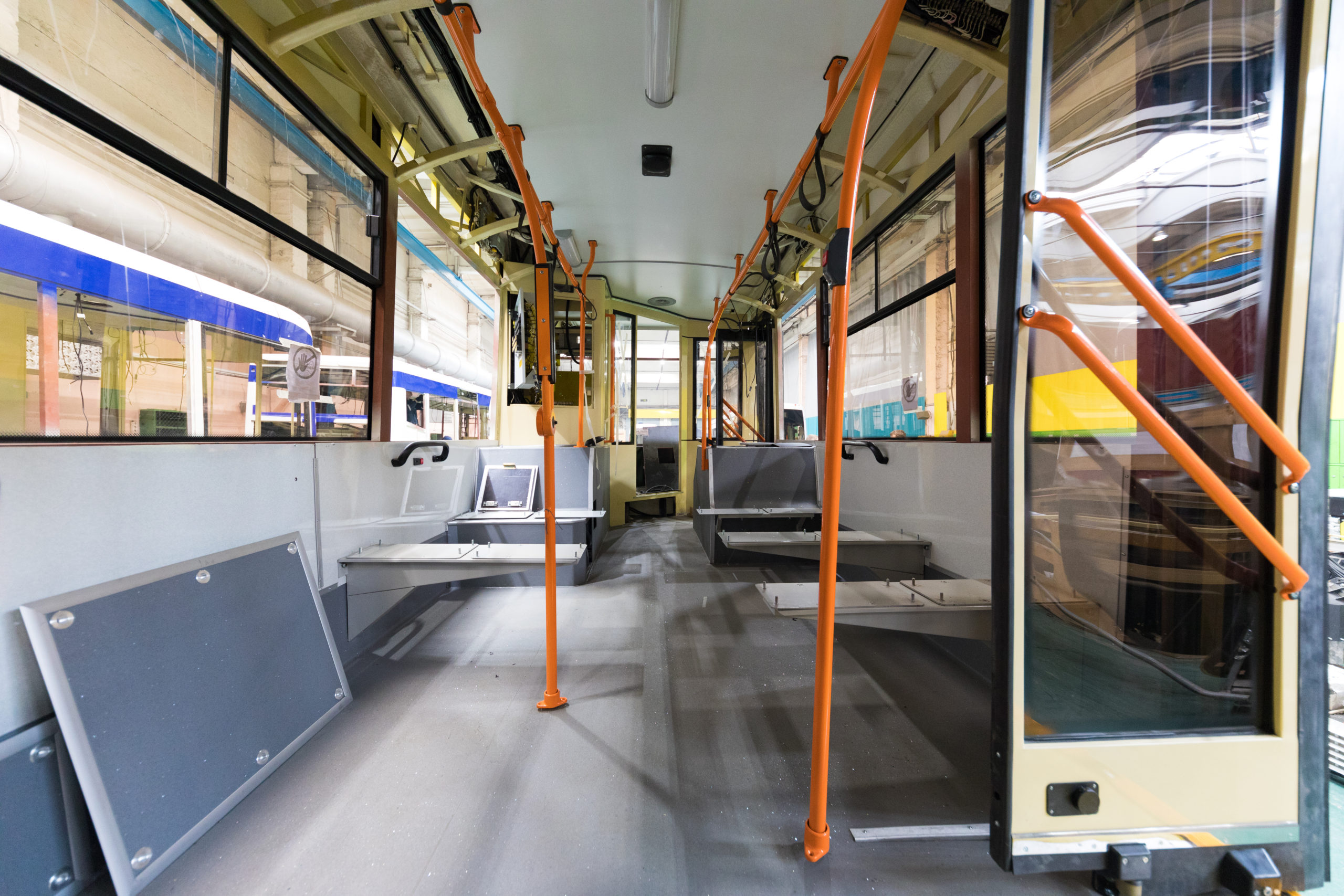
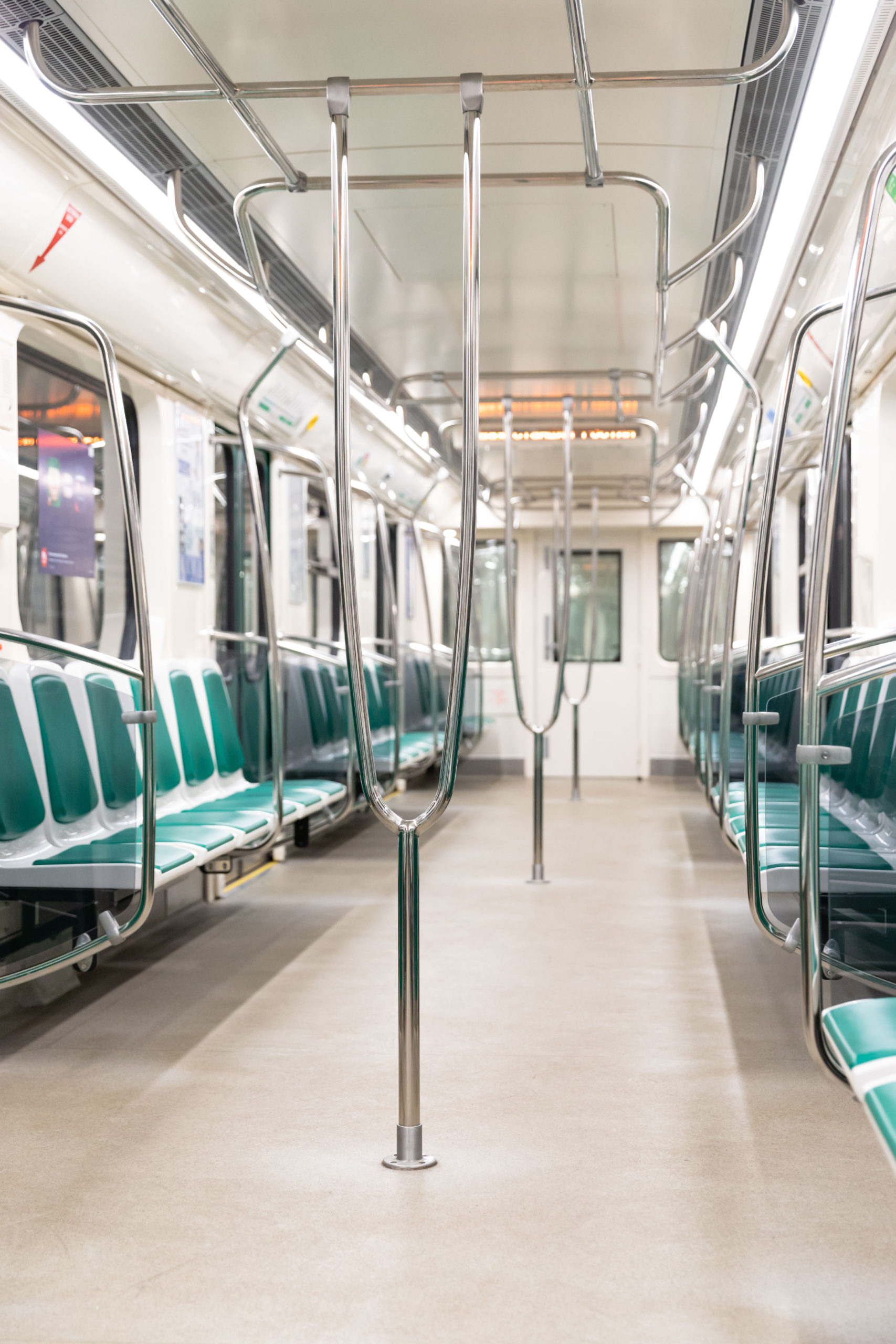
Stainless steel interiors refer to the use of stainless steel materials and components within the internal structure of public transport vehicles such as buses, metro coaches, railway coaches, and trams. These interiors are designed for durability, hygiene, ease of maintenance, and aesthetic appeal, making stainless steel an ideal choice for high-traffic public environments. These include elements such as:
- Wall panels and ceiling panels
- Handrails and grab poles
- Luggage racks
- Seats and seat frames
- Flooring frames and footrests
- Partition panels and doors
- Ventilation grills and electrical enclosures
The use of stainless steel in interiors is not just about aesthetics; it serves vital structural, safety, and sanitary functions in high-footfall transport environments.
Why Stainless Steel Is Used in Public Transport Interiors:
| Parameter | Details |
|---|---|
| Corrosion Resistance | Stainless steel resists rust and corrosion, especially important in humid, coastal, or polluted environments. |
| Hygiene | Its non-porous surface does not harbor bacteria or viruses, making it ideal for public usage. |
| Strength | Offers high tensile strength and structural integrity under heavy usage. |
| Fire Resistance | Non-combustible and retains structural strength at high temperatures. |
| Longevity | Can withstand decades of use without significant wear or degradation. |
| Low Maintenance | Easy to clean and maintain, reducing operational downtime. |
| Aesthetic Appeal | Modern, sleek finish enhances passenger perception and comfort. |
| Recyclability | Environmentally friendly as stainless steel is 100% recyclable. |
Technical Specifications and Features
Below is a summary table detailing the typical specifications and capabilities of stainless steel interiors in public transport manufacturing:
| Feature | Specification/Details |
|---|---|
| Material Grade | SS304 / SS316 (depending on application) |
| Thickness Range | 0.8mm – 2.5mm |
| Surface Finish | Brushed, mirror, or matte finish |
| Corrosion Resistance | High |
| Load Capacity (Seats) | Up to 250 kg per seat frame |
| Pressure Resistance | Withstands dynamic loads during braking and acceleration |
| Thermal Resistance | Up to 870°C (SS304) |
| Form Factor/Shape | Custom curved, flat, perforated, or welded frames |
| Maintenance Cycle | Minimal; long service life with routine cleaning |
Have questions? We’re here to help!
Applications in Public Transport
Stainless steel interiors are used extensively in:
- Metro Coaches – Metro Rail and Urban Systems
Stainless steel interiors are ideal for metro coaches due to their fire resistance and sleek appearance. They offer a hygienic, low-maintenance surface that handles daily passenger traffic efficiently.
- Suburban Railway Coaches
These interiors withstand long operational hours and frequent boarding in regional transit systems. Their durability ensures a longer lifecycle with minimal repairs or replacements.
- Public Buses (Volvo, EV Buses)
In city buses, stainless steel components like grab poles, seat frames, and side panels improve passenger safety and withstand frequent stop-and-go movements. They are also easy to sanitize between shifts.
- Airport Transit Shuttles
Used for airport inter-terminal or tarmac shuttles, stainless steel interiors provide a polished, high-end look. Their corrosion resistance suits environments exposed to moisture and chemicals.
- Monorail and Light Rail Transit (LRT) Coaches
These systems demand lightweight yet strong interiors, which stainless steel offers. Modular SS panels help in quick replacements and maintain consistent interior aesthetics.
These interiors not only enhance safety and cleanliness but also improve the travel experience by reducing vibrations and noise levels.
Why Chennai is Emerging as a Hub for Stainless Steel Interiors Manufacturing
Chennai, with its established industrial infrastructure and strong transport ecosystem, is becoming a manufacturing center for stainless steel interiors. Factors that contribute to this growth include:
- Presence of major metro rail projects and automotive clusters
- Proximity to ports for stainless steel imports and exports
- Skilled labor and experienced fabrication firms
- Government support for public transport infrastructure
Innovation in Stainless Steel Interior Design
Today, advanced manufacturing methods like laser cutting, CNC bending, and TIG/MIG welding are helping manufacturers design custom stainless steel interiors with higher accuracy, better aesthetics, and shorter lead times. Innovations also include modular assembly systems and anti-graffiti coatings for public safety and upkeep.
Conclusion: Choose Fabrimech for Stainless Steel Interiors in Chennai
At Fabrimech Engineering Pvt. Ltd., we specialize in manufacturing precision-engineered stainless steel interiors for metro coaches, railway compartments, and public buses. With over two decades of fabrication expertise and a state-of-the-art facility in Chennai, we deliver solutions that combine strength, elegance, and safety.
- Custom Design Solutions
- ISO-Certified Quality
- Timely Delivery Across India
- Trusted by Leading Transport OEMs
Partner with Fabrimech to shape the future of public transport interiors.
Contact us today to discuss your stainless steel interior requirements!