

Introduction to Aluminium roof structures
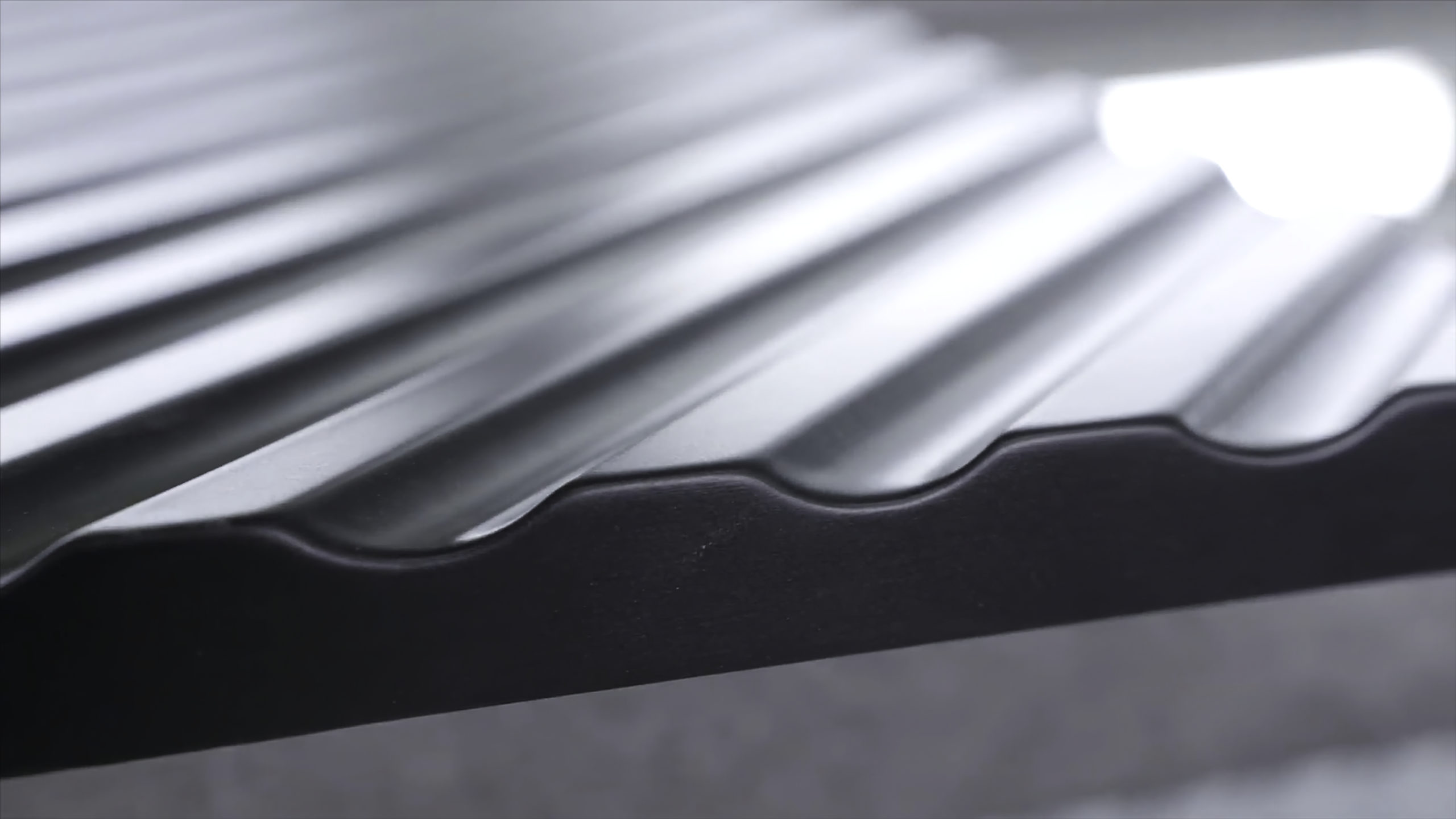
Aluminium roof structures are an integral part of modern railway engineering, ensuring lightweight strength, durability, and long service life. Their adoption has transformed the design of passenger coaches, metro trains, and high-speed rail systems by significantly reducing overall coach weight while maintaining superior safety standards. In India, specialized aluminium roof structure manufacturing facilities cater to the growing demand of Indian Railways and global railway networks. These facilities combine advanced fabrication technologies, precision engineering, and a skilled workforce to produce high-performance roof structures that meet stringent quality and safety benchmarks.
Why Aluminium Roof Structures are Ideal for Railways
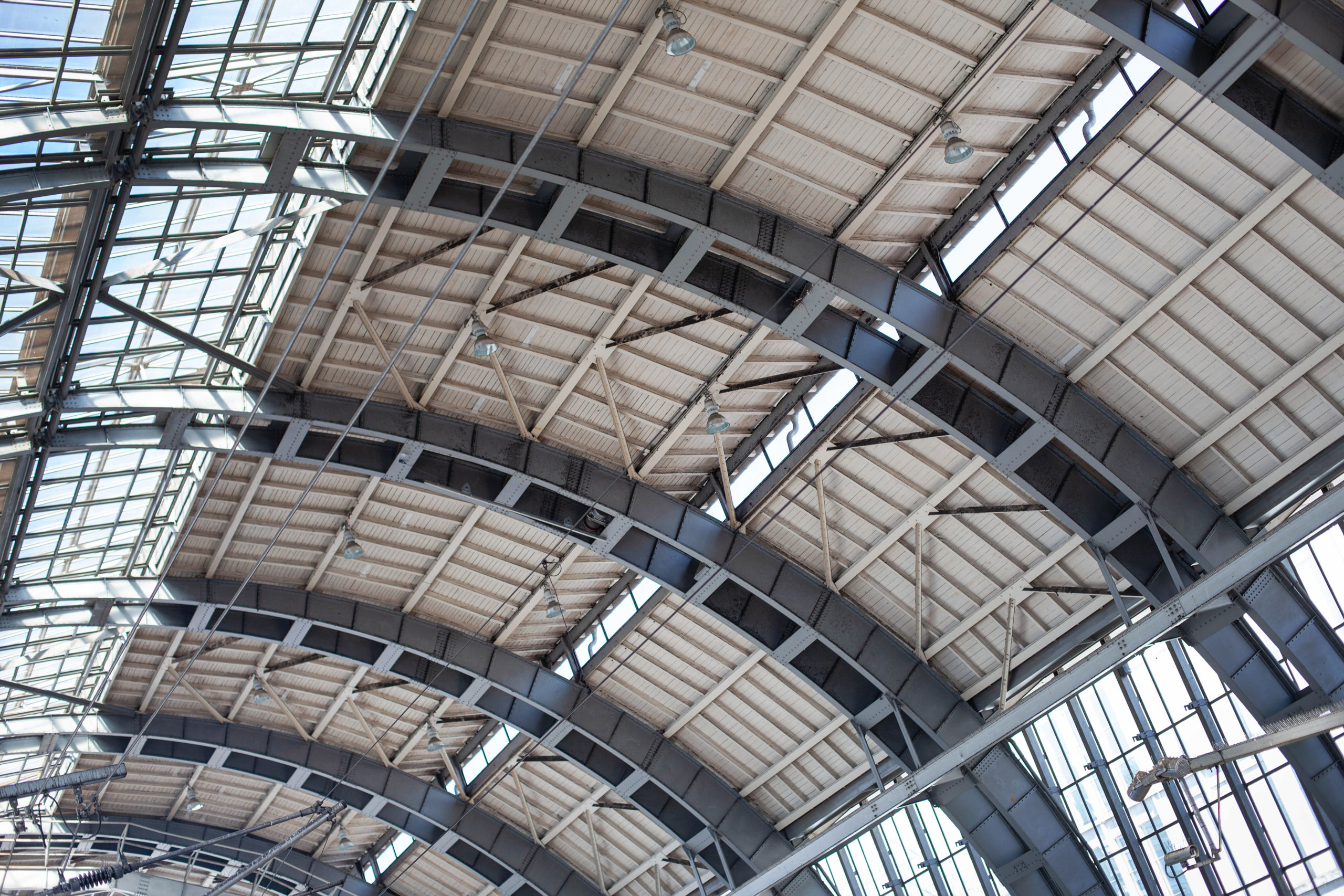
Modern railway infrastructure requires roofing systems that are strong, durable, and cost-effective. Among the many materials available, aluminium roof structures stand out as the most efficient solution for railway stations, platforms, and supporting facilities.
-
Lightweight Construction: Aluminium significantly reduces the overall weight of rail coaches, resulting in better fuel efficiency, higher speed, and improved operational performance.
-
High Strength-to-Weight Ratio: Despite being lightweight, aluminium roof structures offer exceptional strength and durability, ensuring long-term structural integrity under dynamic railway conditions.
-
Corrosion Resistance: Aluminium’s natural resistance to rust and corrosion makes it ideal for India’s diverse weather conditions, from coastal humidity to extreme heat.
-
Low Maintenance: Unlike steel, aluminium requires minimal upkeep, reducing maintenance costs and ensuring uninterrupted service.
-
Enhanced Passenger Comfort: Aluminium structures provide better thermal insulation and noise reduction, creating a more comfortable and quieter travel experience for passengers.
-
Sustainability: Aluminium is 100% recyclable, aluminium supports eco-friendly rail development by lowering the environmental impact and promoting green mobility solutions.
Key Specifications
| Specifications | Details |
|---|---|
| Material | High-strength Aluminium Alloys (5000 & 6000 Series) |
| Manufacturing Process | Extrusion, CNC Forming, Friction Stir Welding (FSW), MIG Welding |
| Thickness | 3 mm – 8 mm (depending on design & load requirement) |
| Weight Advantage | Up to 40% lighter than steel roof structures |
| Strength-to-Weight Ratio | High ratio ensuring safety with reduced mass |
| Surface Finish | Anodized / Powder Coated for corrosion resistance |
| Load Capacity | Designed to withstand dynamic rail loads & passenger safety standards |
| Service Life | 25–30 years with minimal maintenance |
Have questions? We’re here to help!
Manufacturing Process
1. Material Selection
-
High-grade aluminium alloys (commonly 5000 and 6000 series) are chosen for their strength, weldability, and corrosion resistance.
-
The alloys are tested for mechanical properties, grain structure, and surface quality before processing.
2. Extrusion of Aluminium Profiles
-
Extrusion process is used to create lightweight hollow or solid sections tailored for roof frames.
-
Profiles are extruded through a die to achieve complex cross-sectional shapes required for railway coach roofs.
-
The extruded sections are heat-treated (T6 tempering) to achieve the required strength.
3. Extrusion & Panel Assembly
-
Special aluminium extrusions are produced for reinforcements, joints, and mounting channels.
-
Modular panel systems allow easy installation and maintenance.
4. Cutting and Forming
-
Aluminium sheets and extrusions are CNC cut and formed into desired dimensions.
-
Bending and rolling operations are performed to achieve curved roof profiles.
-
Computer-aided forming ensures dimensional accuracy and consistency.
5. Welding and Joining
-
Friction Stir Welding (FSW) and MIG welding are the primary techniques used.
-
Roof panels are joined with side structures and support frames to create a seamless, airtight, and strong roof shell.
-
FSW is preferred for aluminium as it provides high-strength, defect-free joints.
6. Surface Treatment
-
Aluminium surfaces undergo anodizing or powder coating to enhance corrosion resistance and improve aesthetics.
-
Protective coatings also ensure longer life in diverse climatic conditions.
7. Assembly and Integration
-
The fabricated roof modules are assembled and integrated with the rail coach body structure.
-
Provision for ventilation systems, cable ducts, lighting fixtures, and insulation layers is incorporated.
8. Quality Control & Testing
-
Non-destructive testing (NDT) methods (ultrasonic, radiographic, dye penetrant) ensure weld integrity.
-
Roof modules are tested for dimensional accuracy, load-bearing capacity, water tightness, and fire resistance.
-
Final inspection ensures compliance with railway safety and international standards.
9. Final Installation
-
The manufactured roof structures are transported and fitted onto railway coaches in assembly plants.
-
Precision alignment ensures seamless integration and passenger safety.
Applications of Aluminium Roof Structures in Railways
Passenger Rail Coaches
-
-
-
Lightweight roofs reduce overall coach weight, improving fuel efficiency and speed.
-
Enhance passenger comfort with better insulation against heat and noise.
-
-
High-Speed Trains
-
-
-
Aluminium’s high strength-to-weight ratio ensures safety at high speeds.
-
Aerodynamic roof structures contribute to smoother performance.
-
-
Metro Rail Systems
-
-
-
Corrosion-resistant roofs are ideal for urban transit systems with frequent operations.
-
Low maintenance needs reduce downtime and operating costs.
-
-
Electric Multiple Units (EMUs)
-
-
-
Roofs are designed to support equipment such as pantographs, cable ducts, and HVAC units.
-
Provide space for electrical wiring and control systems integration.
-
-
Locomotive Cabins
-
-
-
Durable aluminium roofs ensure safety and weather protection for operators.
-
Reduce vibration and noise transmission into the driver’s cabin.
-
-
Luxury Coaches & Sleeper Trains
-
-
-
Aluminium roofs allow integration of air-conditioning ducts, lighting fixtures, and insulation layers for comfort.
-
Provide long service life with minimal upkeep
-
-
Freight Wagons (Specialized Use)
-
-
-
Used in covered freight wagons where lightweight yet durable roofing is required.
-
Protect cargo from weather while minimizing structural load.
-
-
Regional and Intercity Trains
-
-
-
Provide a balance of durability, cost-effectiveness, and passenger comfort.
-
Extend operational life in diverse climatic conditions.
-
-
Proven Aluminium Roof Fabrication Standards in Chennai
Manufacturers in Chennai use CNC machining, TIG/MIG welding, and automated finishing to produce high-strength, lightweight aluminium roof structures for rail coaches. Each product undergoes rigorous quality testing to meet ISO and railway industry standards, ensuring durability, precision, and long service life.
Why Choose Fabrimech?
Fabrimech offers expertly crafted aluminium roof structures for rail coaches in Chennai, using advanced CNC machining, TIG/MIG welding, and automated finishing. With ISO-certified quality control, customization options, and proven reliability in large-scale railway projects, Fabrimech ensures lightweight, durable, and precision-fit solutions delivered on time.
Get your aluminium roof structures crafted today – Connect with Fabrimech and upgrade your rail fleet!